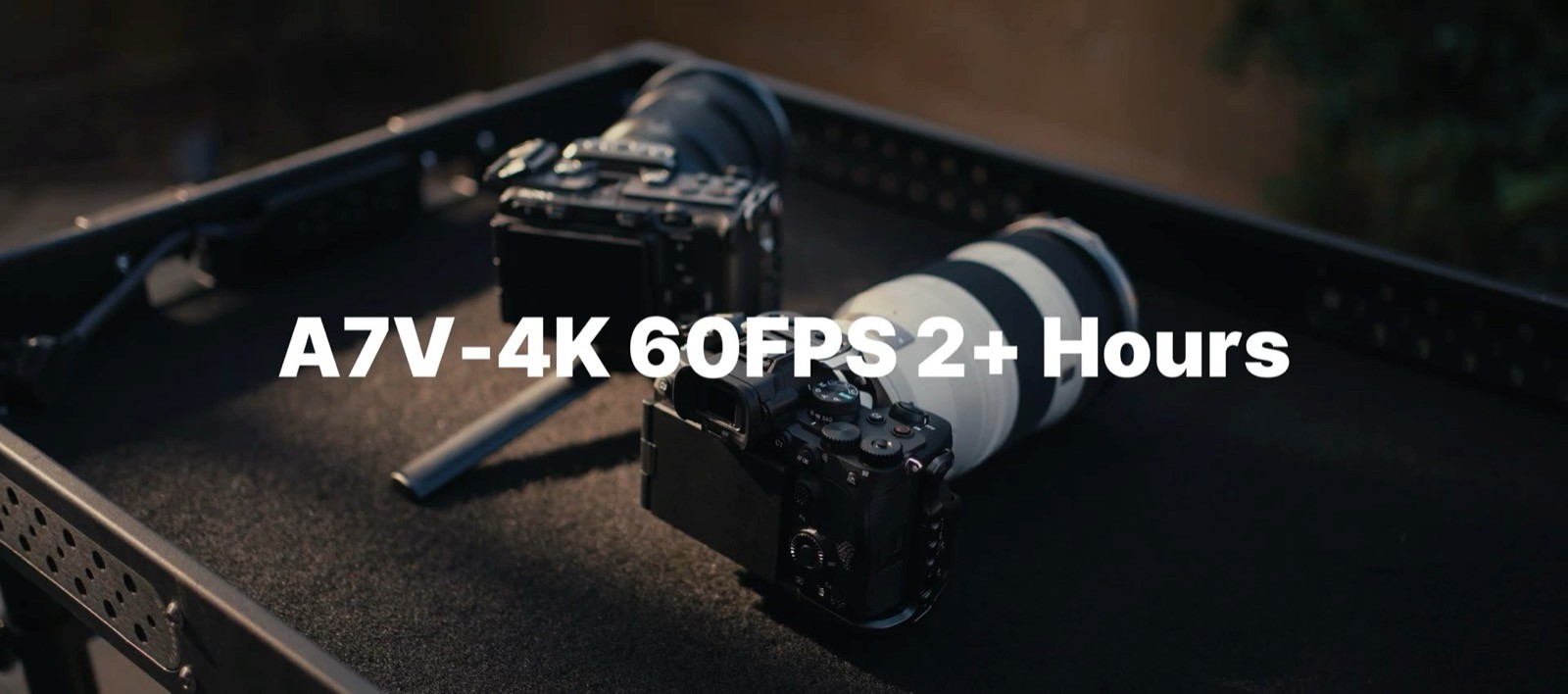
This is the Sony A7V — and the FX3 is the legendary camera it's coming after. The FX3 is great. It's been a workhorse for filmmakers for years, and it still delivers incredible results. But the A7V is five years newer, and in a lot of ways it's simply the better camera overall. I've been shooting with both, so I'm breaking down the upgrades that truly matter — not the spec-sheet stuff, the things you actually feel on a shoot.
Prefer to watch? Here's the full breakdown on YouTube (4:53).
This is the Sony A7V — and the FX3 is the legendary camera it's coming after. The FX3 is great. It's been a workhorse for filmmakers for years, and it still delivers incredible results. But the A7V is five years newer, and in a lot of ways it's simply the better camera overall. I've been shooting with both, so I'm breaking down the upgrades that truly matter — not the spec-sheet stuff, the things you actually feel on a shoot.
Prefer to watch? Here's the full breakdown on YouTube (4:53).
The New 4-Axis Multi-Angle Screen
First up: the new 4-axis multi-angle screen. It's a 3.2-inch screen, up from 3 inches on the FX3 — but the upgrade isn't really the size. It's how it moves. The screen finally tilts the way I've always wanted for gimbal work, instead of swinging fully out to the side like the FX3. You can tilt and angle it without flipping it out and away from the camera. It's a small change that makes a big difference when you're moving fast.
The screen itself is also noticeably sharper, which makes focus confirmation easier to see. And speaking of sharper — the A7V takes a 7K image and downscales it to 4K, which makes the final image crisper overall. It's not a night-and-day difference, but side by side, it's there. A welcome upgrade.
Overheating Is Basically a Non-Issue
Something that used to be a huge concern with Sony cameras: overheating. Short version — it's basically a non-issue now. In my testing, the A7V recorded well over two hours of 4K60 in 75–80 degree weather. No warnings, no shutdowns. It just kept recording. If you're shooting interviews, events, podcasts, or any long-form content, that matters way more than most specs on the sheet.
Battery Life: 40 Extra Minutes
Battery life is another area where the A7V pulls ahead. I matched settings on both cameras and hit record until each battery died. The FX3 lasted 1 hour and 30 minutes. The A7V lasted 2 hours and 10 minutes. Forty extra minutes doesn't sound huge, but in practice it means fewer battery swaps, fewer interruptions, and more peace of mind when you're filming.
Autofocus You Can Actually Trust
The updated autofocus is a huge upgrade. It's faster, more reliable, and easier to trust. Subject tracking is more consistent, eye autofocus locks on quicker, and it holds focus even when movement gets unpredictable. For the way I shoot — real moments, no second takes — that's the upgrade that earns its keep every single time.
My SmallRig Cage Setup
This is the SmallRig cage I went with for the A7V, and I couldn't be happier. It's super sturdy with three points of contact, there's a NATO rail on the side and an Arca-Swiss plate on the bottom. With the cage on, the camera feels better in the hand and it's protected.
What About Photos? (A Photographer's Take)
The A7V shoots 33-megapixel photos. I'm not a photographer — but my buddy Elmer is. He shoots mostly weddings, portraits, and engagements, and here's his take:
"I think they made it smart not to go so big. If you want more megapixels, that's when you go to the R line of Sony cameras. Dynamic range was the biggest selling point besides the autofocus — the A9 had about 13 stops, this has about 16. It just gives you more options in post. And the autofocus is ridiculous on this camera. As far as megapixels — they hit the right mark." — Elmer, TNK Photo
The Verdict
At the end of the day, the A7V is the better overall camera — and that's the way it should be. It's five years newer than the FX3. That doesn't mean you should sell your FX3. It's still a great camera, and it delivers incredible results. But if I were buying a second camera today, I wouldn't buy the FX3. I'd buy the A7V. It does more, the upgrades are real, and it costs way less.
Of course, we all know the FX3 Mark II is coming — and when it does, that might change everything.
Gear from this post: Sony A7V · SmallRig Cage for the A7V
My SmallRig Cage Setup
This is the SmallRig cage I went with for the A7V, and I couldn't be happier. It's super sturdy with three points of contact, there's a NATO rail on the side and an Arca-Swiss plate on the bottom. With the cage on, the camera feels better in the hand and it's protected.
What About Photos? (A Photographer's Take)
The A7V shoots 33-megapixel photos. I'm not a photographer — but my buddy Elmer is. He shoots mostly weddings, portraits, and engagements, and here's his take:
"I think they made it smart not to go so big. If you want more megapixels, that's when you go to the R line of Sony cameras. Dynamic range was the biggest selling point besides the autofocus — the A9 had about 13 stops, this has about 16. It just gives you more options in post. And the autofocus is ridiculous on this camera. As far as megapixels — they hit the right mark." — Elmer, TNK Photo
The Verdict
At the end of the day, the A7V is the better overall camera — and that's the way it should be. It's five years newer than the FX3. That doesn't mean you should sell your FX3. It's still a great camera, and it delivers incredible results. But if I were buying a second camera today, I wouldn't buy the FX3. I'd buy the A7V. It does more, the upgrades are real, and it costs way less.
Of course, we all know the FX3 Mark II is coming — and when it does, that might change everything.
Gear from this post: Sony A7V · SmallRig Cage for the A7V